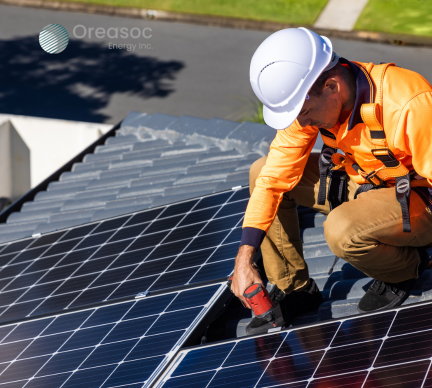
On September 25, 2025, President Xi Jinping announced China’s first absolute emissions reduction target during a UN climate summit address. The pledge commits to cutting greenhouse gas emissions by 7–10% by 2035, expanding non-fossil fuels to over 30% of energy use, and boosting wind and solar capacity to 3,600 GW. This marks a structural shift…
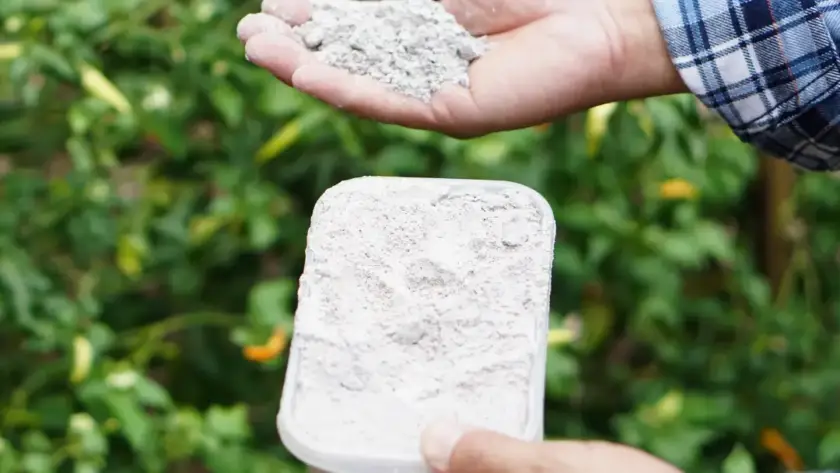
The global organic fertilizers market is projected to grow from $11.95 billion in 2024 to $19.40 billion by 2031, registering a CAGR of 7.2%, according to The Insight Partners. Growth is driven by rising adoption of precision agriculture and increasing demand for sustainable farming practices. Unlike synthetic fertilizers, organic alternatives release nutrients gradually, enhancing soil…
On July 2, 2025, the European Commission proposed a 90% emissions reduction target by 2040, setting a key milestone toward achieving climate neutrality by 2050. The proposal introduces limited flexibility by allowing the use of international carbon credits under Article 6 of the Paris Agreement, capped at 3% of the EU’s 1990 net emissions, equivalent…
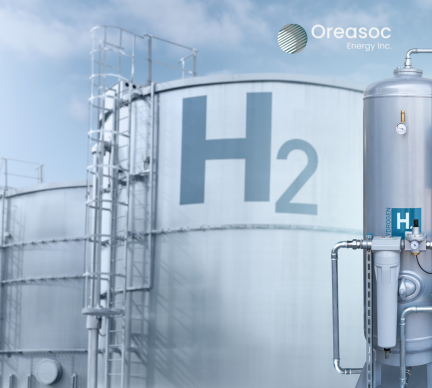
China’s Ordos project will be the largest 100% hydrogen power plant ever built, integrating renewables, storage, and green ammonia production to advance grid stability and clean energy leadership.
Bhutan and Singapore have formalized a landmark partnership under Article 6 of the Paris Agreement, marking Bhutan’s official entry into international carbon markets. Signed on February 28, 2025, the Implementation Agreement leverages Bhutan’s status as the world’s first carbon-negative country—where 72% of the land is covered by forests acting as significant carbon sinks—while connecting it…
Brazil’s renewable share in household energy use hit 71.8% in 2024, driven by strong adoption of solar thermal, reflecting nationwide progress toward a cleaner energy matrix.
From cover crops to reduced tillage, farmers are adopting practices that store carbon in the soil—unlocking potential for both climate impact and new income through carbon credits.
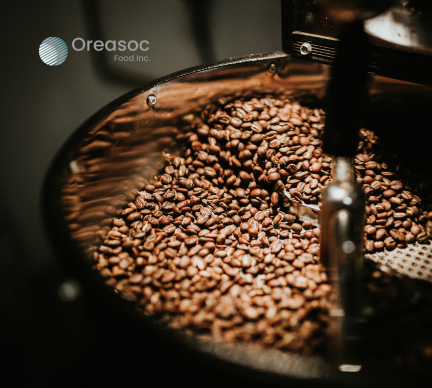
Brazil’s coffee exports fell 20% in July, prompting a 2% jump in futures as farmers hold back sales and roasters secure long-term prices amid tariff uncertainty.
A Gold Standard-certified project in Telangana is helping 35,000 farmers cut methane emissions from paddy fields, save water, and earn carbon credits—creating a new revenue stream through sustainable agriculture.
The UK’s latest CfD auction aims to be its biggest yet, targeting more renewable capacity to meet the 2030 clean power goal and protect consumers from fossil fuel price swings.
Soybean futures jumped after Trump called for China to quadruple U.S. imports, sparking gains in wheat and corn despite ongoing pressure from abundant global supplies.
A new UN standard on “suppressed demand” allows climate projects in underserved communities to earn carbon credits for meeting basic needs, even if emissions rise as a result. This ensures climate finance can support both emissions reduction and essential service access, creating fairer opportunities for development-focused projects under the Paris Agreement.