

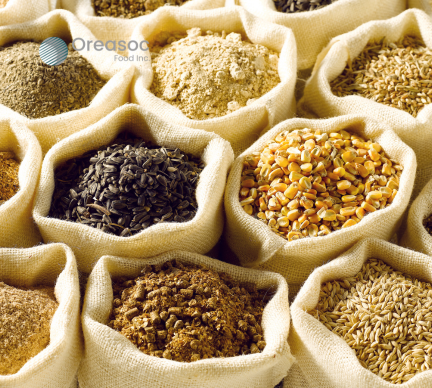
The latest FAO Food Outlook projects record global production levels for rice, maize, sorghum, and oilseeds in 2025, with all major commodities—except sugar—expected to see output growth. Wheat production is also forecast to rise modestly, driven by higher yields in the European Union and a record harvest in India. Rice output is set to reach 551.5 million tonnes, a 0.9% increase, with trade volumes climbing 1.4% to 60.5 million tonnes, fueled by strong African demand and expanding exports from India and South America. Coarse grains are projected to grow 3.4% globally, led by robust maize production in the United States, Brazil, and Southern Africa.
Despite the optimistic production outlook, FAO warns that global food markets remain vulnerable to adverse weather, geopolitical tensions, policy uncertainty, and supply chain disruptions. The global food import bill rose 3.6% in 2024 to nearly USD 2.1 trillion, largely due to higher costs for tropical beverages, fruits, vegetables, and meat, while cereal import costs fell. Trade patterns continue to evolve, with shifts in grain exports from Russia and Ukraine and changes in fertilizer supply chains following 2022, including Russia’s growing share in global fertilizer exports.
The report’s special features address pressing issues such as the spread of high pathogenicity avian influenza (HPAI), which has impacted over 173 million chickens in the United States since 2022, costing over USD 1.4 billion in outbreak management. Other chapters explore the risks of fish fraud in complex supply chains and the potential economic impact of decarbonizing maritime transport on net food-importing developing countries. While production gains point to improved supply, FAO underscores the need for vigilance against market volatility and biological threats to food systems.