

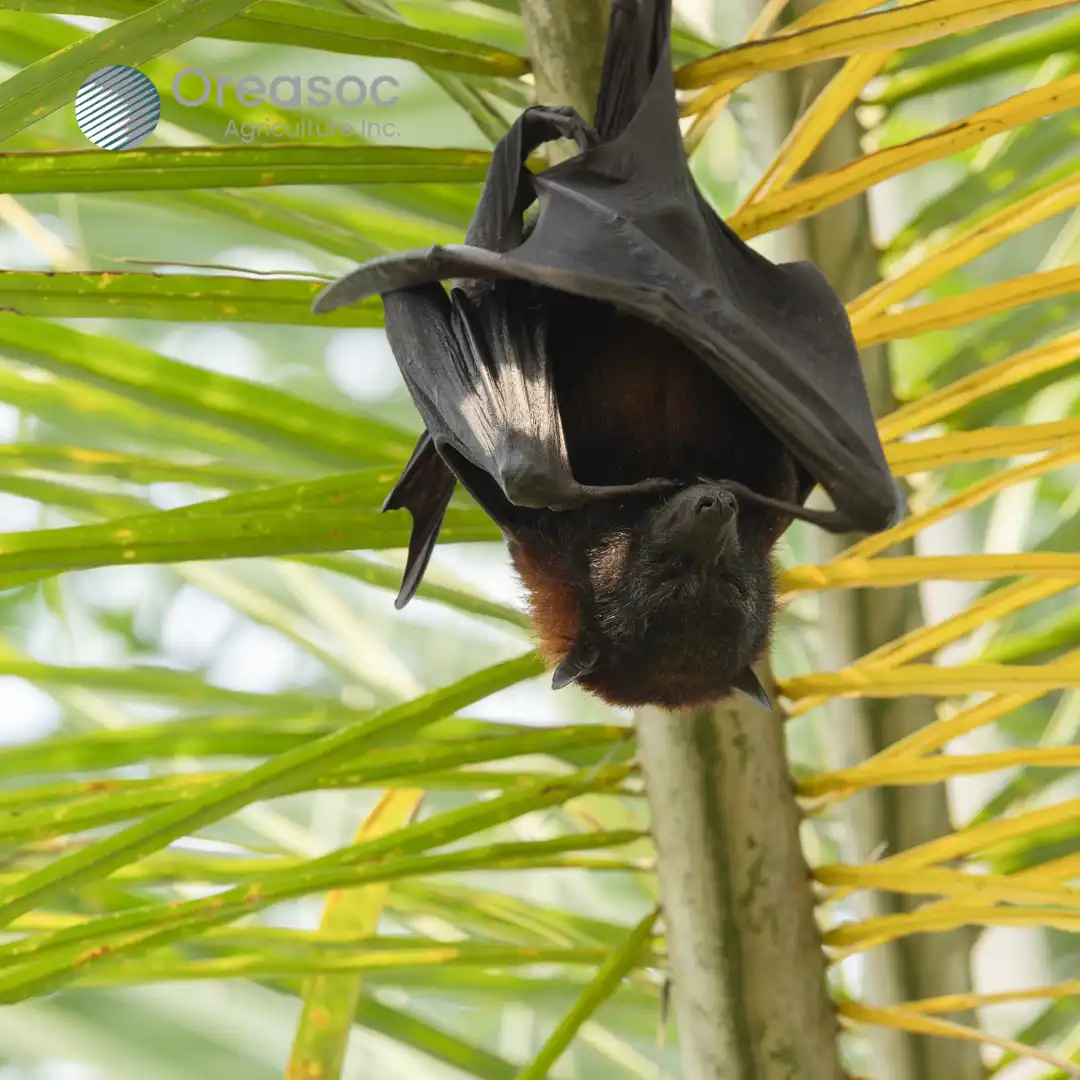
Mexico has adopted bat conservation as a key tool for sustainable agriculture, significantly reducing pesticide use while improving pest control across several crops, particularly coffee. By installing bat houses near farmland and protecting natural habitats, farms have reported pest reductions of up to 45% and pesticide use cuts of as much as 70%. In some cases, productivity increased as bats provided continuous, natural insect control during peak nocturnal activity.
The initiative emerged as farmers sought alternatives to costly and increasingly ineffective chemical pesticides. Mexico’s rich bat biodiversity—over 140 species, many of them insectivorous—has proven highly effective, with a single bat capable of consuming thousands of insects per night. Pilot projects in regions such as Chiapas demonstrated strong economic and environmental benefits, leading to broader government support and integration into national sustainable agriculture policies.
Beyond economic gains, the strategy has improved soil health, reduced water contamination, and encouraged the return of beneficial insects and pollinators. Authorities estimate that bats provide pest-control services worth around USD 1 billion annually. Despite limitations related to climate, crop type, and pest diversity, the program is increasingly viewed as one of the most effective nature-based solutions in modern agriculture.