

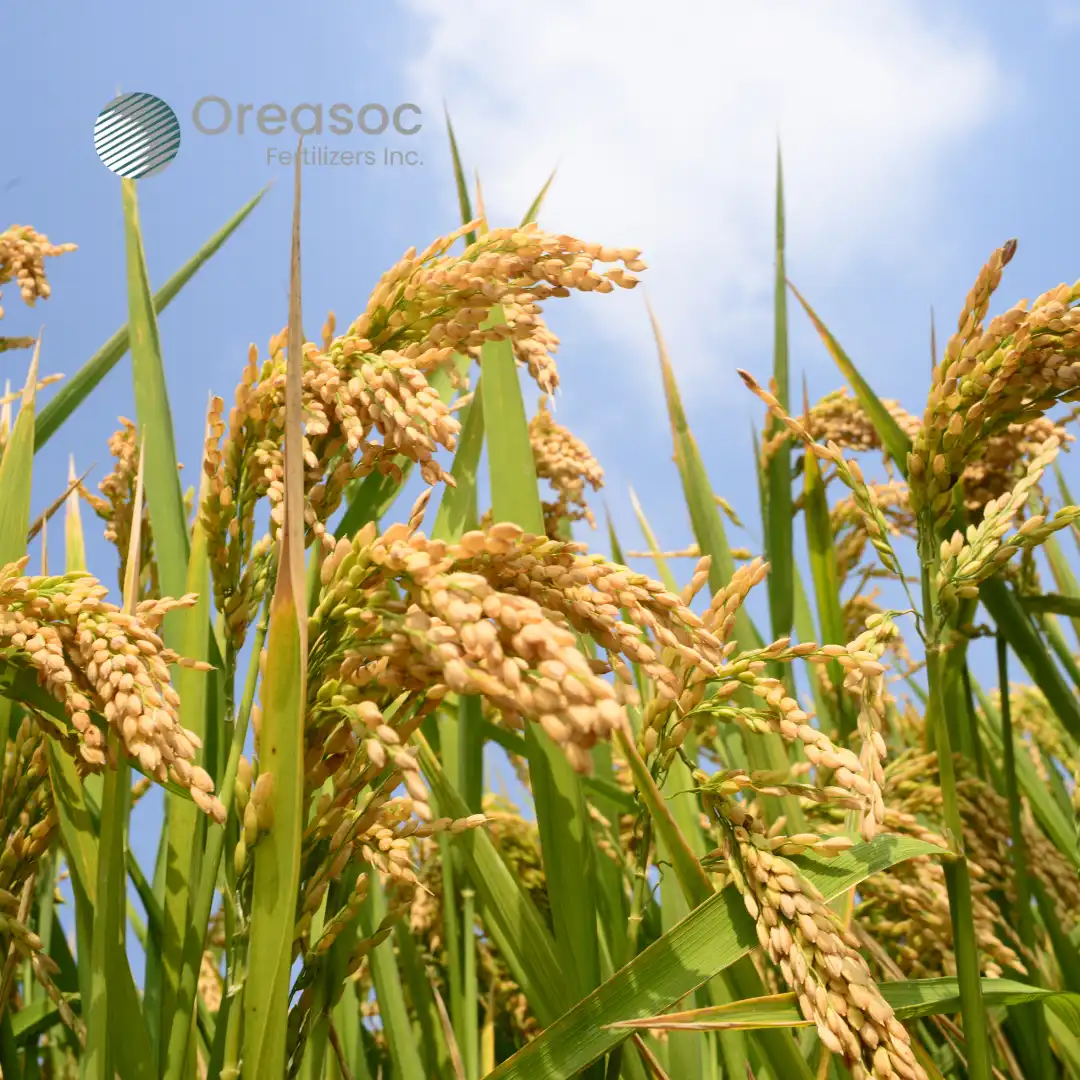
An organic fertiliser developed by the Bangladesh Rice Research Institute (BRRI) has shown the potential to increase rice production by 10–20% while significantly reducing dependence on chemical inputs. According to experts, its use can cut urea application by up to 30% and eliminate the need for triple super phosphate (TSP), helping lower production costs and improve farm profitability.
The fertiliser enhances soil carbon, organic matter, and beneficial microorganisms, improving soil fertility, structure, water retention, and resilience. It releases nutrients gradually, contains essential macro- and micronutrients, and supports integrated nutrient management. Experts also highlighted its role in reducing greenhouse gas emissions and mitigating environmental damage caused by excessive urea use.
These findings were presented at an international conference on Regenerative Agriculture for Sustainable Food Security held in Gazipur. BRRI officials noted that widespread adoption could reduce government spending on fertiliser imports and subsidies. While the fertiliser requires controlled production conditions, BRRI is moving toward commercialisation through a partnership with ACI, with market availability expected soon.