Resumen:
Climate change is often portrayed as a threat to the planet, yet Earth has endured mass extinctions and catastrophic events before. What is truly at risk now is human civilization—our health, food systems, economies, and social stability. The World Health Organization estimates more than 250,000 annual deaths linked to climate impacts, while UNICEF reports 1…
A new study by think tank Ember reveals that more than half of Europe’s power grid remains vulnerable to large-scale outages, highlighting the critical role of interconnectors in stabilizing the energy system. Case studies from Poland show how cross-border links supplied emergency power during disruptions that otherwise could have triggered blackouts. Similarly, during the April…
On September 24, 2025, Brazilian President Luiz Inácio Lula da Silva addressed the UN Climate Summit in New York, calling for global action to uphold the Paris Agreement and reject climate denialism. Lula stressed that all nations must submit and honor their Nationally Determined Contributions (NDCs), describing them as essential roadmaps for achieving emissions reductions.…
On September 22, 2025, the European Commission announced €76.3 million in CEF Energy funding to support three cross-border renewable energy (CB RES) projects aimed at strengthening regional cooperation and accelerating clean energy deployment. The selected initiatives include the Unified Network for Innovative Transition in Energy Decarbonisation of HEATing (Poland–Germany), which will interconnect renewable-based district heating…
On September 25, 2025, President Xi Jinping announced China’s first absolute emissions reduction target during a UN climate summit address. The pledge commits to cutting greenhouse gas emissions by 7–10% by 2035, expanding non-fossil fuels to over 30% of energy use, and boosting wind and solar capacity to 3,600 GW. This marks a structural shift…
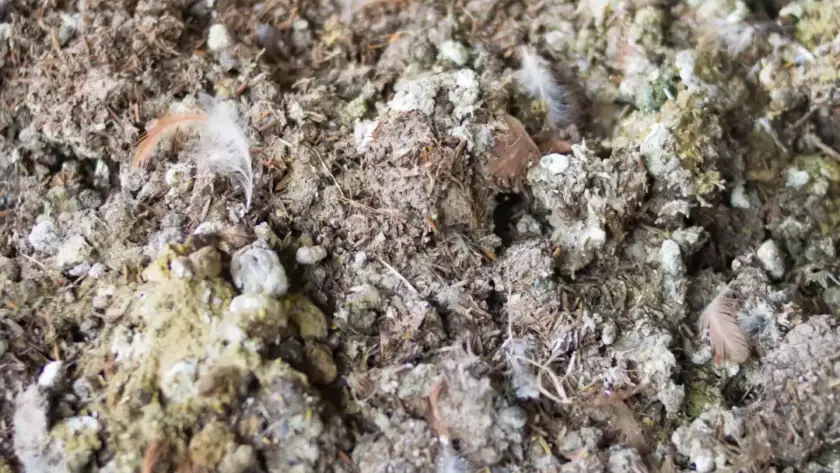
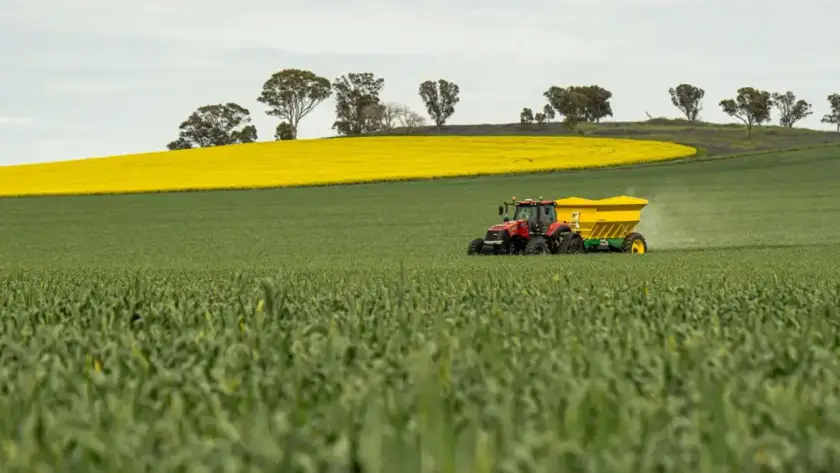
The global organic fertilizers market is projected to grow from $11.95 billion in 2024 to $19.40 billion by 2031, registering a CAGR of 7.2%, according to The Insight Partners. Growth is driven by rising adoption of precision agriculture and increasing demand for sustainable farming practices. Unlike synthetic fertilizers, organic alternatives release nutrients gradually, enhancing soil…
On July 2, 2025, the European Commission proposed a 90% emissions reduction target by 2040, setting a key milestone toward achieving climate neutrality by 2050. The proposal introduces limited flexibility by allowing the use of international carbon credits under Article 6 of the Paris Agreement, capped at 3% of the EU’s 1990 net emissions, equivalent…
China’s Ordos project will be the largest 100% hydrogen power plant ever built, integrating renewables, storage, and green ammonia production to advance grid stability and clean energy leadership.
Bhutan and Singapore have formalized a landmark partnership under Article 6 of the Paris Agreement, marking Bhutan’s official entry into international carbon markets. Signed on February 28, 2025, the Implementation Agreement leverages Bhutan’s status as the world’s first carbon-negative country—where 72% of the land is covered by forests acting as significant carbon sinks—while connecting it…
Brazil’s renewable share in household energy use hit 71.8% in 2024, driven by strong adoption of solar thermal, reflecting nationwide progress toward a cleaner energy matrix.
From cover crops to reduced tillage, farmers are adopting practices that store carbon in the soil—unlocking potential for both climate impact and new income through carbon credits.
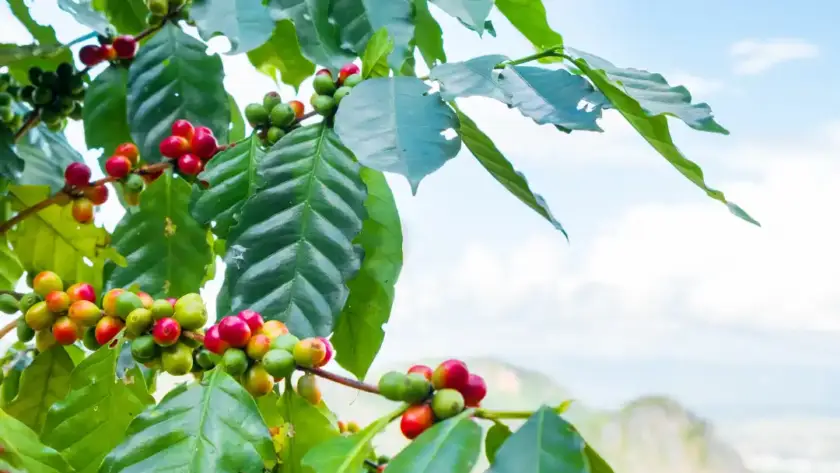
Brazil’s coffee exports fell 20% in July, prompting a 2% jump in futures as farmers hold back sales and roasters secure long-term prices amid tariff uncertainty.