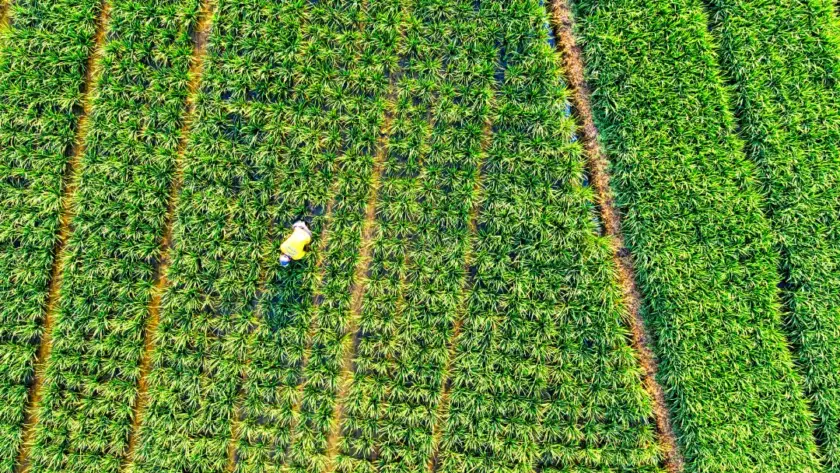
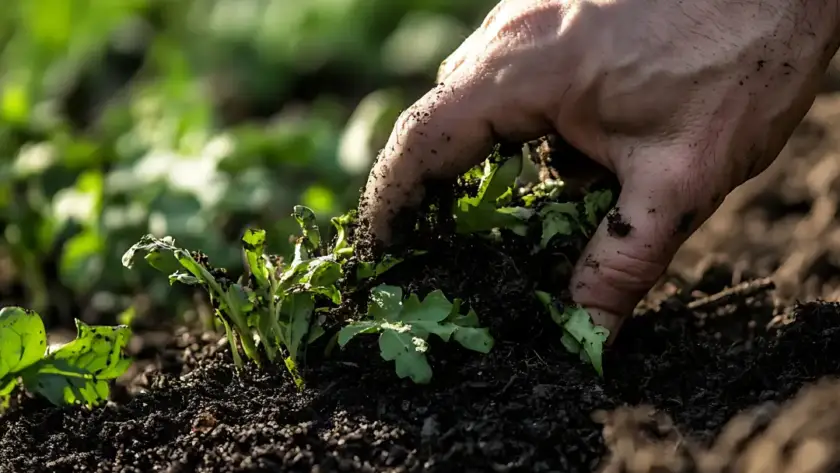
A Gold Standard-certified project in Telangana is helping 35,000 farmers cut methane emissions from paddy fields, save water, and earn carbon credits—creating a new revenue stream through sustainable agriculture.
The UK’s latest CfD auction aims to be its biggest yet, targeting more renewable capacity to meet the 2030 clean power goal and protect consumers from fossil fuel price swings.
Soybean futures jumped after Trump called for China to quadruple U.S. imports, sparking gains in wheat and corn despite ongoing pressure from abundant global supplies.
A new UN standard on “suppressed demand” allows climate projects in underserved communities to earn carbon credits for meeting basic needs, even if emissions rise as a result. This ensures climate finance can support both emissions reduction and essential service access, creating fairer opportunities for development-focused projects under the Paris Agreement.
The EU’s plan to allow limited international carbon credits from 2036 could reshape global markets, making it a top buyer while influencing project standards, benefit-sharing, and Paris Agreement alignment worldwide.
FAO forecasts record global output for rice, maize, sorghum, and oilseeds in 2025, but warns that climate risks, geopolitical tensions, and animal disease outbreaks could still disrupt food markets.
On May 29, 2025, Clean Energy Australia released its 2025 Annual Report and Quarterly Investment Report, confirming that 2024 marked the largest single year of clean energy investment in the country’s history, totaling
Côte d’Ivoire officially launched the Bourse des Matières Premières Agricoles (BMPA), marking West Africa’s first agricultural commodities exchange. Located in Abidjan, the BMPA aims to bring transparency, price stability, and
On May 23, 2025, the European Parliament approved reforms to the Carbon Border Adjustment Mechanism (CBAM) aimed at reducing emissions while easing compliance for small and medium-sized enterprises (SMEs).
On May 22, 2025, the European Union announced a major trade policy shift with the adoption of new customs duties on Russian and Belarusian fertilizers and agricultural imports, aimed at cutting economic ties that support
According to a recent CoBank report, Mexico is on track to surpass Canada as the largest importer of U.S. agricultural products in 2025, with imports reaching $31.4 billion in 2024, just shy of Canada’s $32.4 billion.
On May 9, 2025, the release of the Future of Fertilizer report—commissioned by Anglo American and compiled by Deloitte—sparked renewed global calls for more sustainable fertilizer practices to meet the world’s food