Indonesia has announced plans to fully activate its national carbon market by the end of June 2026, unlocking new opportunities for climate financing and sustainable economic growth. The initiative, supported by President Prabowo Subianto’s administration, is anchored in Presidential Regulation No. 110 of 2025, described as a “game
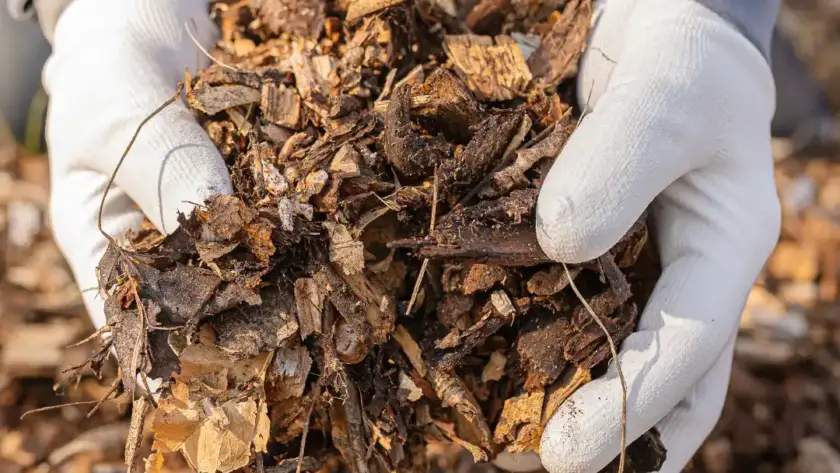
Yeongcheon City announced the launch of its 2026 organic fertilizer supply program, aimed at promoting environmentally friendly, natural circulation agriculture and the production of high-quality, safe agricultural products.
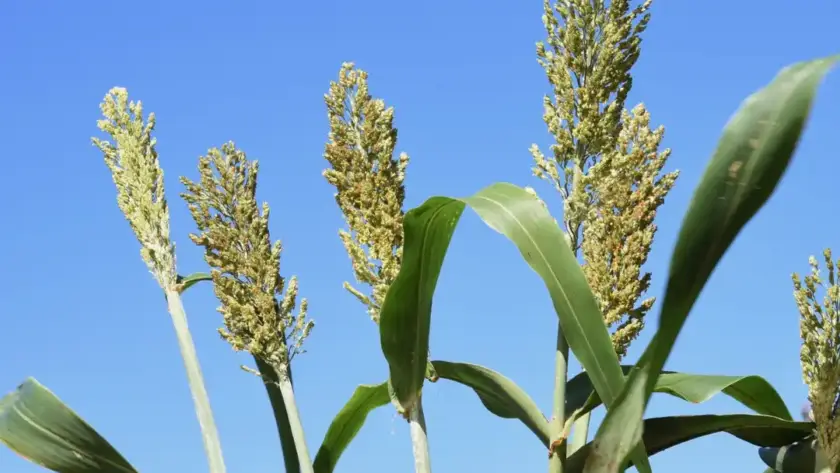
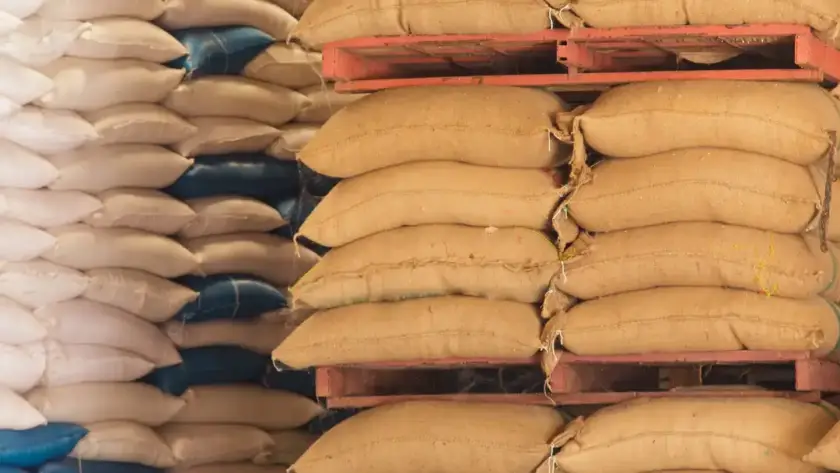
Preliminary data from Mali’s agriculture ministry indicate that the country’s grain production for the 2025/26 season is expected to reach 11.4 million metric tons, up from 11 million tons the previous year, marking a 3.6% increase.
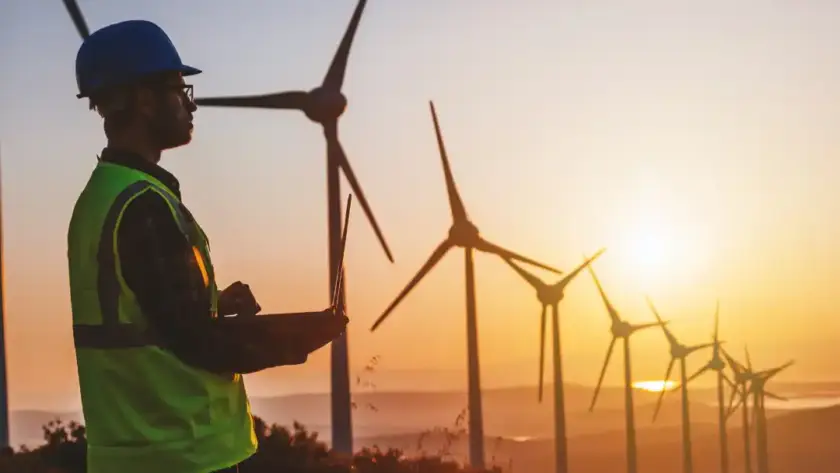
Germany’s Federal Network Agency awarded 3.5GW of onshore wind capacity in its latest tender, following a record level of interest from developers. The tender was heavily oversubscribed, with bids totaling more than 8GW, the highest volume ever recorded for an onshore wind auction.
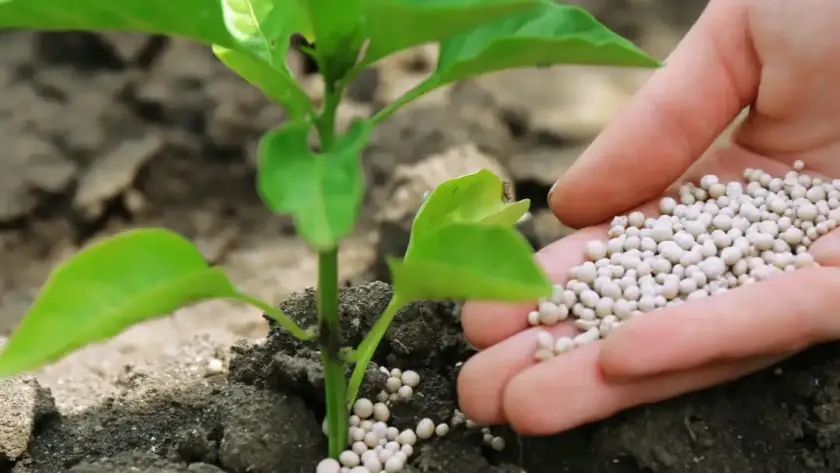
Fertilizer prices in Europe remain around 60% higher than in 2020, prompting the European Commission to propose a temporary suspension of tariffs on key nitrogen-based fertilizers, including ammonium and urea.
Vietnam’s agriculture and environment sector has set an ambitious export target of USD 73–74 billion for agro-forestry and aquatic products in 2026, building on strong performance in 2025 despite global uncertainty.
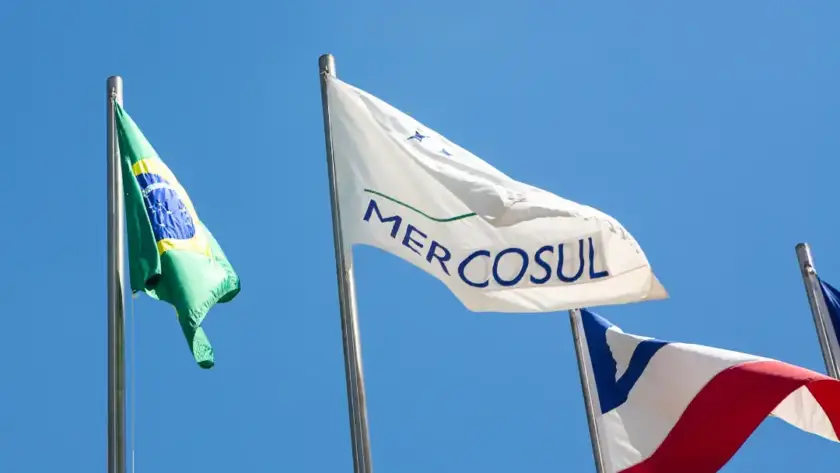
Brazilian agribusiness is optimistic following the approval of the Mercosur-European Union trade agreement, seeing opportunities to expand beyond traditional commodities.
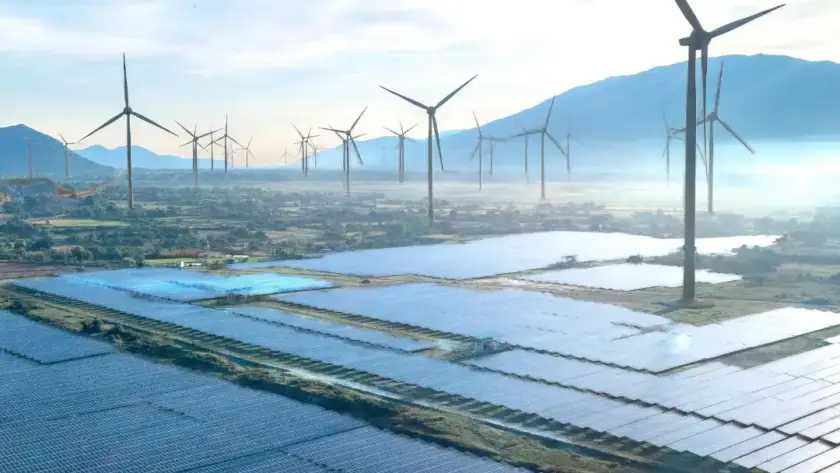
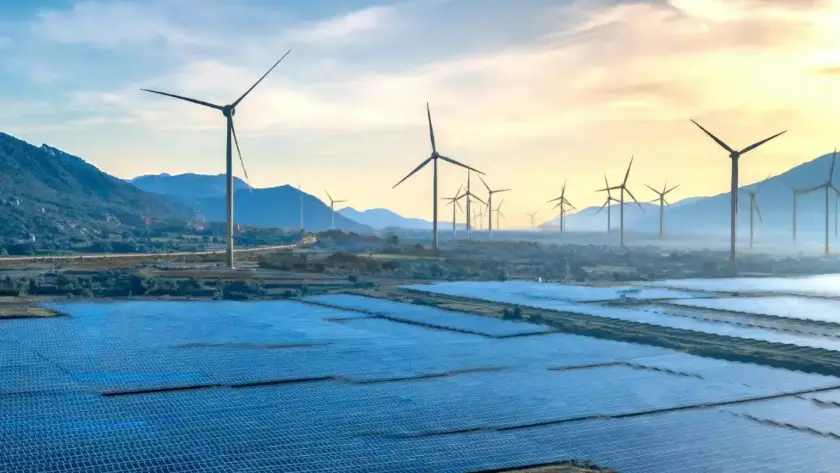
Spain has unveiled two new funding programs totaling €405 million to accelerate its energy transition and strengthen domestic clean-technology manufacturing. Managed by the Ministry for the Ecological Transition (MITECO) and IDAE, the initiatives aim to replace fossil fuels with renewable energy while positioning Spain as a competitive hub in Europe’s clean-tech value chain.
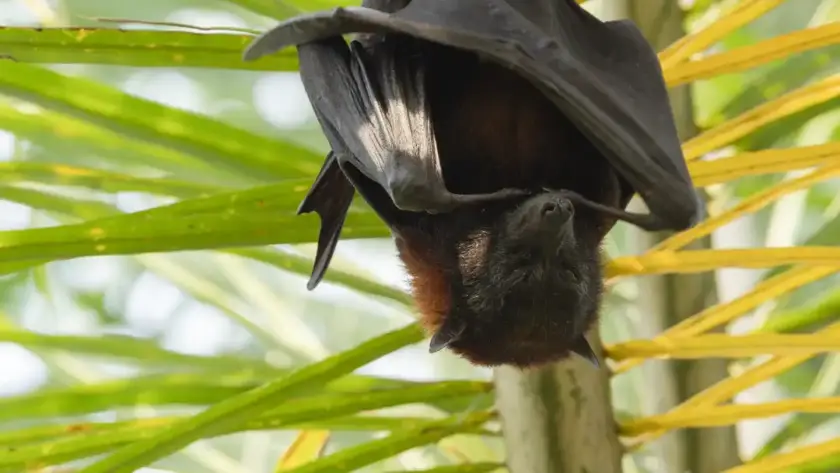
Mexico has adopted bat conservation as a key tool for sustainable agriculture, significantly reducing pesticide use while improving pest control across several crops, particularly coffee.
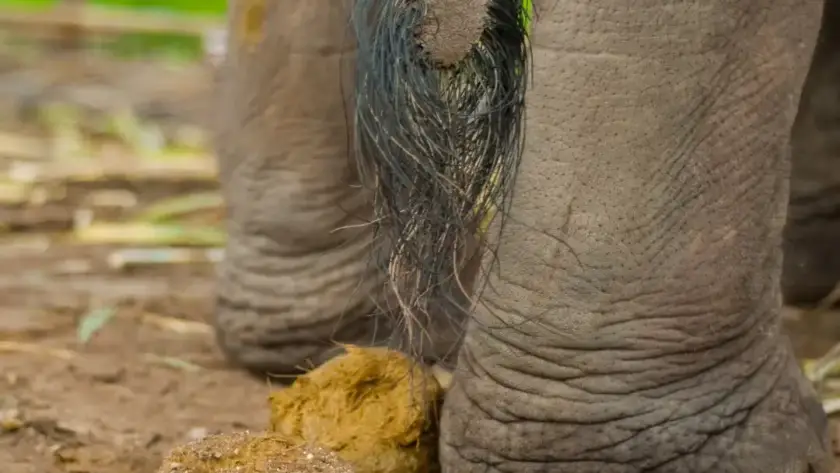
A recent study conducted by researchers McCarthy, Chisambi, and Banda, published in Discover Agriculture, found that elephant dung is a nutrient-rich organic fertilizer suitable for Malawi agriculture.
Emerging markets, especially in the Asia-Pacific region, are showing strong growth in demand for sustainably certified agricultural commodities.
Malaysia’s renewable energy market is expected to accelerate in early 2026, spurred by increasing power demand from data centres and government initiatives.